Blog

distribuidor incinerador hospitalario

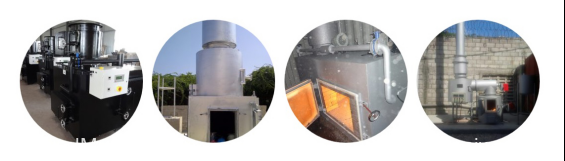
Centro de bienestar de CSH, (Calabar, Nigeria)

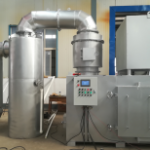
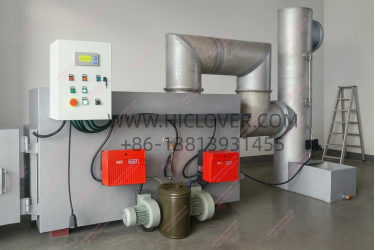
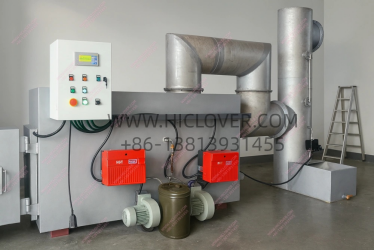
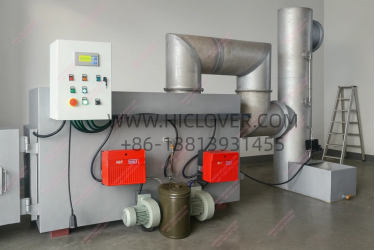
Quemador de desechos médicos calificado para eliminar aproximadamente 0,5 metros cúbicos de desechos patológicos o contagiosos.

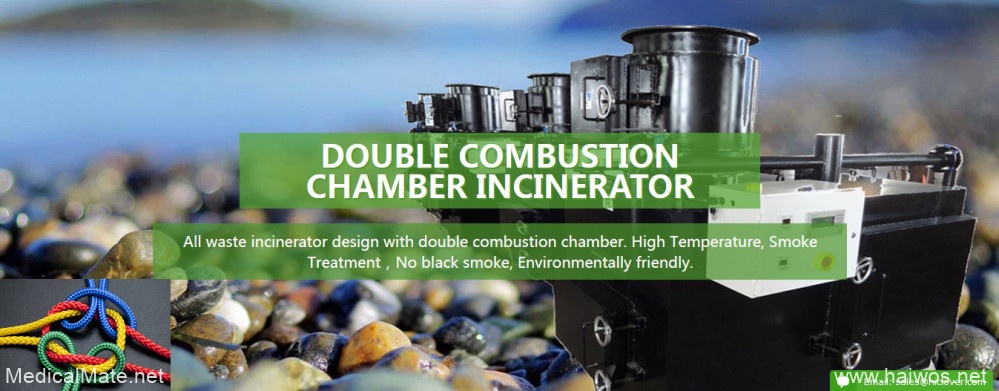
El quemador debe tener una cámara de combustión doble y controlar la cantidad de dioxinas y otros gases descargados sin causar daños.

Medidas aproximadas, a los distribuidores habituales, sin embargo para ser portátil lo más práctico.
Establecido para deshacerse de los materiales desechables que pueden ser destruidos en el lugar. Estos desechos incluyen una “bolsa roja” adicionalmente contaminada y transmisible. Vendajes quirúrgicos, dispositivos de evaluación de plástico, así como otros desechos adicionales.
Eliminación de residuos rápida, completa y fiable.
Quema de doble cámara, cámaras blindadas además de revestidas con refractario al calor. Controles de nivel de temperatura electrónicos programables, indicadores de nivel de temperatura y también registrador de carga. La regulación del control de gas y también de aire reduce el consumo de gas.
Instalación mínima junto con tiempo de lanzamiento.
Capa de acero aluminizado revestida con refractario y también ladrillo refractario. Sin duda, deben proporcionarse grabadores de pantallas, además de varios otros dispositivos accesorios.
Sistema de cobranza:.
– – Puerta de costos vertical en la cámara de la llave.
– – Sistema de pago por ariete neumático o hidráulico.
– – Coche cerrado por la puerta después de la carga.
– – La temperatura de la cámara principal y la de la segunda cámara se proporcionan y también están pegadas con cinta adhesiva (opcional).
Costo de facturación :.
– – Aproximadamente 100 kg por recurso humano de desechos o desechos de bolsas rojas clasificados en 2200 BTU por kg.
Gas: – Gas.
Capacidad (Cubic Mtr): 1,65 M3 o quizás más.
Capacidad Ave: 100 kg por hora.
Capacidad de cámara adicional (CubicMtr): 3,88 e incluso mucho más.
Tamaño (mm): 1880 o mejor.
Tamaño (mm): 1280 o mucho mejor.
Altura incl. Conducto de humos (mm): 7700 o mucho mejor.
Apertura de la puerta de fresno (mm): 475 × 900 o mucho mejor.
Min. Temperatura de funcionamiento: 90 grados centígrados.
Temperatura máxima de funcionamiento: 1350 grados centígrados.
Tiempo de residencia en Segunda Cámara: 2 seg.
Seguimiento del nivel de temperatura: tanto para cámaras esenciales como adicionales.
Sistema de embalaje Manual / semiautomático.
Eficiencia de daños por residuos:>> 90% en peso.
Filtro: varios filtros de cerámica o varios otros equivalentes para reducir la inducción de impurezas peligrosas del aire, partículas, monóxido de carbono, dioxinas / furano directamente en el ambiente.
Sistema de descascarado: Manual / semiautomático.
– Funciones civiles. – Carros de recogida de residuos

Total / Pintura: -.
Capa de pintura epoxi moderna de 2 capas, inmune al calor, de primera calidad, de primera calidad.
Configuración de energía (voltaje eléctrico): 440 V / 50 Hz.
El equipo de control de desechos debe tener ;.
Carro de embalaje móvil: 06 No – – Para el transporte de desechos del centro de salud desde las salas hasta el lugar / lugar del calentador, apertura desde la parte superior.
CONTENEDORES MÓVILES: 06 No’s- Creado en plástico, en color azul con una solapa de cubierta.
Bolsas de plástico: 2000 números cada uno en rojo y también en amarillo.
Pares robustos de protección para las manos: para el personal de manipulación de residuos-06 pares.
Pares de zapatos largos: para la manipulación de residuos– – 06 pares.

Centro de salud y bienestar de CSH, (Calabar, Nigeria)

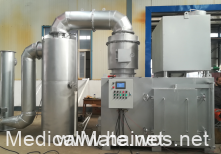
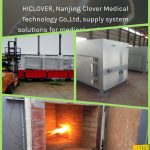
Calentador de desechos médicos capaz de eliminar aproximadamente 0,5 metros cúbicos de desechos patológicos o transmisibles.
Код ТН ВЭД для мусоросжигательного завода 84178050

Код ТН ВЭД для мусоросжигательного завода 84178050

Пункт

Технические характеристики

Модель

ПЛК TS100

Список основных продуктов за 01 комплект

Первичная камера сгорания

Вторичная камера сгорания

Камера дымового фильтра

Шкаф управления ПЛК инсинератора

Дымоход: 10.0 метров

* (обновление до нержавеющей стали, бесплатно)

Горелки дизельные / газовые, Италия: 02 шт.

Масляный бак (для жидкого топлива): 200 литров


Дополнительная деталь: мокрый скруббер из нержавеющей стали

Инсинератор медицинских отходов RWANDA на продажу

установки для сжигания бытовых отходов RWANDA

HICLOVER – Медицинская экология, WWW.HICLOVER.COM, Установки для сжигания отходов,
Установка для сжигания медицинских отходов, Кремация домашних животных, Твердые отходы   Инсинераторы

Решение HICLOVER для борьбы с COVID-19, установка для сжигания медицинских отходов (контейнерная мобильная установка для сжигания отходов)
Телефон: + 86-25-8461 0201
Мобильный: + 86-13813931455 (WhatsApp / WeChat)
Сайт: www.hiclover.com
Электронная почта: [электронная почта защищена]
Наньцзин Клевер Медицинские Технологии Лтд.


2020-07-07

La lutte contre le projet de loi sur l'incinérateur de Norfolk pourrait se poursuivre jusqu'après Noël

Le conseil du comté de Norfolk a voté par 48 voix contre 30 pour mettre fin au contrat pour l’incinérateur proposé à Saddlebow lors d’une réunion extraordinaire en avril.

Les agents du Conseil avaient déclaré qu’en raison des retards dans l’obtention du permis de construire, le projet controversé n’offrait plus un bon rapport qualité-prix, et les conseillers ont accepté de l’abandonner.

En mai, le coût estimé de l’annulation du contrat a été estimé à un peu plus de 33,7 millions de livres sterling. Cela incluait 20,3 millions de livres sterling pour Cory Wheelabrator – la société qui aurait construit et exploité le brûleur; des coûts d’enquête publique de 1,6 million de livres sterling et des coûts estimés liés aux taux d’intérêt de 11,8 millions de livres sterling.

Les premiers 11,8 millions de livres sterling de cette facture ont été payés en juillet, mais les chefs du conseil ont été bloqués dans des mois d’arguments sur les détails du contrat et sur le montant que cela signifie que le conseil doit payer Cory Wheelabrator.
En septembre, il a été annoncé que la compensation serait «considérablement inférieure» aux 20,3 millions de livres sterling initialement estimés.

Mais lors d’une réunion cette semaine, Tom McCabe, directeur intérimaire de l’environnement, des transports et du développement au Conseil du comté de Norfolk, a déclaré aux conseillers que le chiffre final n’avait pas encore été convenu.

Il a déclaré: «La discussion avec Cory Wheelabrator est en cours et nous espérons qu’elle sera résolue d’ici Noël.

«Il est prématuré de dire que ce sera fait d’ici là, cependant. Cela pourrait être fait avant cela ou cela pourrait durer plus longtemps. “
Le conseil du comté de Norfolk essaie toujours de trouver une solution à long terme pour gérer les déchets du comté.

Mais, à court terme, un accord a été conclu avec leurs homologues du Suffolk pour que des déchets soient brûlés dans un incinérateur nouvellement construit à Great Blakenham.

Au cours de l’année prochaine, environ 40 000 tonnes de déchets ménagers résiduels de Norfolk seront transportées sur l’A140 pour être brûlées à l’usine.

• Que pensez-vous de la saga des incinérateurs? Écrivez, en donnant les coordonnées complètes, à l’éditeur de lettres, Prospect House, Rouen Road, Norwich NR1 1RE.
par: http://www.edp24.co.uk/news/politics/norfolk_incinerator_bill_wrangle_could_continue_until_after_christmas_1_3823390

Mauritius Waste Incinerator Market Report

Mauritius Waste Incinerator Market Report

Focus on Port Louis, Curepipe, Quatre Bornes, Vacoas-Phoenix, Rose Hill

1. National background: why incineration is a strategic topic in Mauritius

Mauritius is a small island developing state (SIDS) with limited land availability, high population density in urban corridors, and strong dependence on imported goods, tourism, and healthcare services. These structural characteristics make waste management a policy-sensitive and highly regulated sector.

Waste generation is concentrated around:

  • Port Louis – capital city, main port, government institutions, hospitals

  • Curepipe, Quatre Bornes, Vacoas-Phoenix, Rose Hill – urban and peri-urban centers with dense residential, healthcare, and commercial activities

Because landfill capacity is finite and public acceptance of new disposal sites is low, Mauritius increasingly treats incineration as a controlled, targeted solution for specific waste categories rather than bulk municipal waste.


2. Core characteristics of the Mauritius incinerator market

A. Land scarcity drives controlled treatment
Unlike large continental countries, Mauritius cannot rely on expanding landfill footprints. This pushes decision-makers to favor:

  • volume reduction technologies,

  • secure destruction of sensitive waste,

  • compact equipment with predictable performance.

B. High regulatory and reputational sensitivity
Mauritius places strong emphasis on:

  • environmental protection,

  • tourism image,

  • coastal and marine safety.

As a result, incineration projects are typically:

  • carefully scoped,

  • limited to medical, institutional, and special waste,

  • paired with defined emission-control strategies.

C. Preference for compact, engineered systems
Buyers in Mauritius generally avoid oversized or experimental installations. They favor:

  • small to medium-capacity incinerators,

  • modular designs,

  • proven combustion technology with documented track records.


3. City-level demand analysis

Port Louis – Institutional and healthcare waste hub

As the administrative and healthcare center of Mauritius, Port Louis hosts:

  • major public hospitals,

  • private clinics,

  • laboratories,

  • government facilities.

Incinerators in Port Louis are primarily evaluated for:

  • infectious medical waste,

  • pharmaceutical destruction,

  • secure disposal of sensitive institutional materials.

Here, dual-chamber medical waste incinerators with stable secondary combustion and optional gas treatment are typically preferred.

Curepipe, Quatre Bornes, Rose Hill – Urban healthcare clusters

These cities form a dense urban belt with clinics, diagnostic centers, and elder-care facilities. Waste volumes are moderate but continuous, making compact top-loading incinerators attractive for:

  • daily healthcare waste,

  • institutional back-up systems,

  • shared facilities serving multiple clinics.

Vacoas-Phoenix – Training, administration, and public services

In Vacoas-Phoenix, incineration demand is often linked to:

  • public sector institutions,

  • training facilities,

  • centralized service compounds.

Reliability and ease of operation tend to outweigh high automation.


4. Role of the United Nations and international institutions

Although Mauritius has a relatively advanced governance framework, United Nations agencies and international organizations continue to play an influential role, particularly in:

  • healthcare system strengthening,

  • environmental governance,

  • climate resilience and waste reduction strategies.

Projects aligned with UNDP, WHO, and other UN-related frameworks emphasize:

  • safe healthcare waste destruction,

  • operator safety and training,

  • compliance documentation and traceability.

This creates a procurement environment that favors conservative engineering, clear manuals, and long-term serviceability.


5. Market demand trends in Mauritius

  1. Healthcare waste incineration remains the most stable and defensible segment.

  2. Compact, low-footprint incinerators are favored due to land constraints.

  3. Emission control options increasingly influence purchasing decisions, especially near populated areas.

  4. Buyers show growing interest in containerized or semi-containerized systems that simplify installation and relocation.


6. Product–market fit: positioning HICLOVER in Mauritius

HICLOVER incinerators are well aligned with Mauritius’ technical and regulatory expectations:

  • Medical waste incinerators for hospitals and clinics
    Suitable for healthcare facilities in Port Louis, Curepipe, and Quatre Bornes.
    Reference: Medical Waste Incinerator Systems

  • Top-loading incinerators for mixed institutional waste
    Efficient for bagged waste with minimal pre-treatment.
    Reference: Top-Loading Waste Incinerators

  • Containerized and modular incinerator solutions
    Appropriate where installation space is limited or future relocation is anticipated.
    Reference: Containerized Mobile Incinerators

  • Optional wet scrubber and flue-gas treatment systems
    Relevant for urban or environmentally sensitive areas of Mauritius.
    Reference: Incinerator with Wet Scrubber System

Key advantage in Mauritius:
HICLOVER emphasizes compact footprint, stable combustion, modular configuration, and documented performance, which directly address the island nation’s land, regulatory, and reputational constraints.


7. Strategic theme highlight: “Island-safe and regulation-ready incineration”

A strong positioning theme for Mauritius is “island-safe incineration”:

  • minimal land use,

  • controlled emissions,

  • compatibility with healthcare and institutional needs,

  • alignment with UN-influenced governance standards.

This theme resonates across Port Louis, Curepipe, Rose Hill, and the broader urban corridor where environmental and public perception considerations are critical.


Résumé en français (bref)

À l’île Maurice, l’incinération est principalement utilisée pour les déchets médicaux et institutionnels, notamment à Port Louis, Curepipe, Quatre Bornes, Vacoas-Phoenix et Rose Hill. La rareté des terrains, la sensibilité environnementale et l’influence des cadres des Nations Unies favorisent des solutions compactes, fiables et bien documentées. Les incinérateurs HICLOVER, avec chargement par le haut, configurations modulaires et options de traitement des fumées, s’intègrent efficacement aux exigences réglementaires et opérationnelles spécifiques de Maurice.

Mobile: +86-13813931455(WhatsApp)

Email:     [email protected]     
Email:     [email protected] 


2025-12-13/18:25:11

Incinerator Items/Model

HICLOVER TS100(PLC)


Burn Rate (Average)

100kg/hour

Feed Capacity(Average)

150kg/feeding

Control Mode

PLC Automatic

Intelligent Sensor

Continuously Feeding with Worker Protection

High Temperature Retention(HTR)

Yes (Adjustable)

Intelligent Save Fuel Function

Yes

Primary Combustion Chamber

1200Liters(1.2m3)

Internal Dimensions

120x100x100cm

Secondary Chamber

600L

Smoke Filter Chamber

Yes

Feed Mode

Manual

Burner Type

Italy Brand

Temperature Monitor

Yes

Temperature Thermometer

Corundum Probe Tube, 1400℃Rate.

Temperature Protection

Yes

Automatic Cooling

Yes

Automatic False Alarm

Yes

Automatic Protection Operator(APO)

Yes

Time Setting

Yes

Progress Display Bar

3.7 in” LCD Screen

Oil Tank

200L

Chimney Type

 Stainless Steel 304

1st. Chamber Temperature

800℃–1000℃

2nd. Chamber Temperature

1000℃-1300℃

Residency Time

2.0 Sec.

Gross Weight

7000kg

External Dimensions

270x170x190cm(Incinerator Main Body)

Burner operation

Automatic On/Off

Dry Scrubber

Optional

Wet Scrubber

Optional

Top Loading Door

Optional

Asbestos Mercury Material

None

Heat Heart Technology(HHT)

Optional

Dual Fuel Type(Oil&Gas)

Optional

Dual Control Mode(Manual/Automatic)

Optional

Temperature Record

Optional

Enhanced Temperature Thermometer

Optional

Incinerator Operator PPE Kits

Optional

Backup Spare Parts Kits

Optional

Mobile Type

Optional:Containerized/Trailer/Sledge Optional

Mauritania Waste Incinerator Market Report

Mauritania Waste Incinerator Market Report

Focus on Nouakchott, Nouadhibou, Rosso, Atar, Kiffa

1. National context: why incineration matters in Mauritania

Mauritania combines vast desert territory, low population density, and highly concentrated urban and industrial activity. Most waste generation is not evenly distributed but clustered around:

  • Nouakchott, the capital and largest city, where municipal solid waste, healthcare waste, and institutional waste are concentrated

  • Nouadhibou, the country’s main port and fisheries hub, with industrial, port, and camp-related waste

  • Inland cities such as Rosso, Kiffa, and Atar, which act as regional service centers with hospitals, administrative facilities, and periodic humanitarian operations

In this environment, large centralized landfills or advanced recycling systems are difficult to sustain. As a result, controlled incineration—especially small to medium-scale, deployable systems—has become a practical solution for specific waste streams rather than a universal disposal method.


2. Key characteristics of the Mauritanian incinerator market

A. Geography-driven demand
Mauritania’s size and arid climate strongly influence waste strategies. Long-distance transport of waste is costly and unreliable. This favors on-site or near-site treatment, particularly in:

  • hospitals and clinics,

  • port and industrial compounds,

  • remote camps and institutional facilities.

B. Waste composition realities
In Nouakchott and Nouadhibou, waste streams are typically mixed: organic waste, plastics, contaminated packaging, fishery by-products, and limited but critical medical waste. Buyers therefore prefer incinerators that:

  • tolerate variable calorific value,

  • accept bagged or bulky waste,

  • do not require complex pre-sorting systems.

C. Operational simplicity over sophistication
Across Mauritania, buyers often prioritize:

  • mechanical robustness,

  • simple operator routines,

  • availability of diesel fuel,
    over advanced automation that is difficult to maintain locally.


3. Demand drivers by sector and city

Nouakchott – Municipal & healthcare pressure

As Mauritania’s political and healthcare center, Nouakchott hosts major hospitals, laboratories, ministries, and international agency offices. Waste incinerators are commonly evaluated for:

  • infectious healthcare waste,

  • institutional waste requiring secure destruction,

  • pilot municipal waste reduction projects.

Compact top-loading incinerators with secondary combustion chambers align well with these needs, especially when combined with basic flue-gas treatment.

Nouadhibou – Port, fisheries, and logistics

Nouadhibou generates specialized waste from fisheries, cold storage, ship services, and port logistics. Controlled incineration is often preferred for:

  • contaminated packaging,

  • spoiled organic waste unsuitable for dumping,

  • camp and workshop waste.

Here, containerized or skid-mounted incinerators are attractive due to limited land availability and the need for relocatable assets.

Interior cities – Rosso, Kiffa, Atar

Inland cities function as regional hubs with hospitals, military or security installations, and temporary camps. Waste volumes are moderate but sensitive. Incinerators in these areas are typically selected for:

  • medical waste destruction,

  • emergency response readiness,

  • long-term use with minimal infrastructure.


4. Role of the United Nations and international institutions

In Mauritania, United Nations agencies, international NGOs, and donor-funded programs play a decisive role in shaping demand and specifications. Their influence is visible in:

  • healthcare waste management projects,

  • refugee and migration-related operations,

  • climate resilience and environmental governance initiatives.

UN-linked procurement emphasizes:

  • safe destruction of infectious waste,

  • clear operational documentation,

  • training and after-sales support,
    rather than experimental or overly complex technology.

This environment favors proven incinerator designs with traceable performance and conservative engineering margins.


5. Market trends and outlook (2025–2028)

  1. Healthcare waste management will remain the strongest driver, particularly in Nouakchott and regional hospitals.

  2. Port and industrial waste in Nouadhibou is expected to grow with logistics and fisheries activity.

  3. Mobile and containerized solutions will gain preference due to flexibility and donor-funded project cycles.

  4. Environmental awareness is increasing, but buyers still expect practical compliance, not laboratory-level emission control.


6. Product–market fit: positioning HICLOVER in Mauritania

HICLOVER incinerators match Mauritania’s operational reality through several core strengths:

  • Top-loading incinerator design
    Suitable for mixed, bulky waste common in Nouakchott hospitals and Nouadhibou industrial sites.
    Reference: Top-Loading Waste Incinerator Solutions

  • Containerized and mobile configurations
    Ideal for ports, camps, and remote cities such as Atar or Kiffa, where permanent civil works are limited.
    Reference: Containerized Mobile Incinerators

  • Dedicated medical waste incinerators
    Designed for safe destruction of infectious waste, aligned with UN and NGO operational standards.
    Reference: Medical Waste Incinerator Systems

  • Optional flue-gas treatment systems
    Wet scrubbers can be integrated when projects in Nouakchott or donor-backed facilities require higher environmental control.
    Reference: Incinerator with Wet Scrubber System

Core advantage in Mauritania:
HICLOVER systems emphasize durability, fuel flexibility (diesel), and ease of operation, which are decisive factors across Mauritania’s urban and remote environments.


7. Strategic theme highlight: “Desert-ready waste destruction”

A compelling positioning theme for Mauritania is “desert-ready incineration”:

  • engineered for heat, dust, and distance,

  • deployable without complex infrastructure,

  • reliable for healthcare, port, and institutional waste.

This theme resonates strongly in Nouakchott, Nouadhibou, and interior regions where environmental conditions shape every procurement decision.


Résumé en français (bref)

En Mauritanie, la demande d’incinérateurs se concentre à Nouakchott (déchets hospitaliers et institutionnels), Nouadhibou (ports et activités industrielles), ainsi que dans des villes régionales comme Rosso, Kiffa et Atar. Les projets soutenus par les Nations Unies et les ONG privilégient des solutions robustes, simples à exploiter, souvent containerisées ou mobiles. Les incinérateurs HICLOVER, avec chargement par le haut, options mobiles et systèmes de traitement des fumées, répondent efficacement aux contraintes opérationnelles et climatiques spécifiques de la Mauritanie.

Mobile: +86-13813931455(WhatsApp)

Email:     [email protected]     
Email:     [email protected] 


2025-12-13/18:03:56

Incinerator Items/Model

HICLOVER TS100(PLC)


Burn Rate (Average)

100kg/hour

Feed Capacity(Average)

150kg/feeding

Control Mode

PLC Automatic

Intelligent Sensor

Continuously Feeding with Worker Protection

High Temperature Retention(HTR)

Yes (Adjustable)

Intelligent Save Fuel Function

Yes

Primary Combustion Chamber

1200Liters(1.2m3)

Internal Dimensions

120x100x100cm

Secondary Chamber

600L

Smoke Filter Chamber

Yes

Feed Mode

Manual

Burner Type

Italy Brand

Temperature Monitor

Yes

Temperature Thermometer

Corundum Probe Tube, 1400℃Rate.

Temperature Protection

Yes

Automatic Cooling

Yes

Automatic False Alarm

Yes

Automatic Protection Operator(APO)

Yes

Time Setting

Yes

Progress Display Bar

3.7 in” LCD Screen

Oil Tank

200L

Chimney Type

 Stainless Steel 304

1st. Chamber Temperature

800℃–1000℃

2nd. Chamber Temperature

1000℃-1300℃

Residency Time

2.0 Sec.

Gross Weight

7000kg

External Dimensions

270x170x190cm(Incinerator Main Body)

Burner operation

Automatic On/Off

Dry Scrubber

Optional

Wet Scrubber

Optional

Top Loading Door

Optional

Asbestos Mercury Material

None

Heat Heart Technology(HHT)

Optional

Dual Fuel Type(Oil&Gas)

Optional

Dual Control Mode(Manual/Automatic)

Optional

Temperature Record

Optional

Enhanced Temperature Thermometer

Optional

Incinerator Operator PPE Kits

Optional

Backup Spare Parts Kits

Optional

Mobile Type

Optional:Containerized/Trailer/Sledge Optional

Sobre nosotros

Tecnología médica Co., Ltd. del trébol de Nanjing local en la ciudad de Nanjing, China, que está cerca del puerto de Shanghai.

Somos fabricantes de incineradores de residuos en China. Producimos incineradores de desechos médicos, equipos de cremación de animales de compañía y otros incineradores de desechos sólidos. La velocidad de combustión de 10 kg, 20 kg, 30 kg, 50 kg, 100 kg, 150 kg, 200 kg, 300 kg, 500 kg, 600 kg por hora, la capacidad de tratamiento diario hasta 6 toneladas por día.

Los incineradores Clover fabricaron todas las cámaras de doble combustión, quemadores de gas o petróleo originales de Italia. Usamos chimenea de acero inoxidable para nuestro incinerador con una larga vida útil. Para una emisión limpia, suministramos depuradores secos o húmedos con tecnología de ventaja.

El mercado y los clientes de incineradores se encuentran en todo el mundo y cuentan con un distribuidor local que proporciona un servicio directo.

Nanjing Clover Medical Technology Co., Ltd. es un fabricante líder de incineradores de desechos en China. Todas las series incluyen capacidad de combustión de 10 kg por hora, 30 kg por hora, 50 kg por hora, 100 kg por hora, 150 kg por hora, 300 kg por hora, 500 kg por hora. Hasta ahora, todos los modelos se venden a todo el mundo y tienen buenos comentarios del cliente final. El incinerador médico modelo YD tiene una cámara de combustión múltiple y un depurador seco básico (cámara de filtro de humo) con un presupuesto de proyecto razonable. Para las emisiones más limpias, aceptamos depuradores húmedos hechos a medida para incineradores y este será también nuestro próximo trabajo centrándonos en la técnica de emisiones.

Incinerador de modelo regular para el mercado con una velocidad de combustión de 10 kg a 500 kg por hora y siempre proponemos al cliente que nos envíe los detalles requeridos, como material de desecho, combustible y suministro de energía del sitio local, tiempo de operación del incinerador, etc., para que podamos proponer el modelo correcto o personalizado. fabricado con diferente estructura o dimensiones.

El modelo de incinerador YD-100 es una máquina de incineración de escala media para muchos usos diferentes: para un lecho de enfermo de un hospital medio de menos de 500 unidades, para todas las mascotas familiares pequeñas o grandes (como el perro Alaskan Malamute), para la incineración de residuos sólidos municipales de la comunidad, etc. El volumen de la cámara de combustión primaria es de 1200 litros (1,2 m3) y utiliza quemador de gasóleo o gas natural original de Italia.

Todos nuestros incineradores utilizan chimeneas de acero inoxidable, no de acero. Todos nuestros incineradores tienen al menos dos cámaras de combustión, no una sola cámara. Todos los quemadores de combustible de Italia fabricados con marcas famosas, la mejor calidad.

El incinerador de velocidad de combustión de 300 kg por hora es muy apreciado por el mercado porque este modelo puede ser un equipo de incineración de desechos médicos para grandes hospitales y también muy bueno para otros tratamientos de desechos sólidos con el costo más bajo, incluso si los animales de gran tamaño también se pueden alimentar en la cámara de combustión. El volumen de la cámara de combustión primaria es de 2,4 m3, lo suficientemente grande para animales de tamaño común. Para el transporte de envío, el YD-300 se puede cargar en un contenedor de 40 pies de altura.

Cámara de combustión de gran tamaño hasta 4.0m3 y las dimensiones internas son de 257 x 147 x 108 cm con apertura de la puerta de alimentación de 108 x 128 cm. Este modelo puede ser una pequeña fábrica de incineración de residuos con una pequeña cantidad de fondos presupuestarios. Si el cliente final usa esto para la granja para quemar animales como vacas, caballos o camellos, comuníquese con nosotros ahora.

¡Póngase en contacto con nosotros por correo electrónico o por teléfono ahora!

Correo electrónico: [correo electrónico protegido]
Teléfono: + 86-25-84610201

ИНСИНЕРАТОР ДЛЯ ЖИВОТНЫХ СРЕДНЕЙ ЕМКОСТИ HICLOVER Модель TS100 (PLC)

ИНСИНЕРАТОР ДЛЯ ЖИВОТНЫХ СРЕДНЕЙ ЕМКОСТИ HICLOVER Модель TS100 (PLC) с опциональным мокрым скруббером

Предметы / Модель

TS100 (ПЛК)

Картина

Принцип

Сжигание отходы Обработка (Птица и мертвая рыба

Машина для сжигания отходов )

Скорость сжигания

В среднем 50-100 кг / час

Режим управления

ПЛК (Инсинератор с программируемым логическим контроллером)

Камера сгорания

97 0L

Внутренние размеры

120x 9 0x 9 0cm

Вторичная камера

48 0L

Камера дымового фильтра

Да (сухой скруббер)

Режим подачи

Руководство по эксплуатации

Напряжение

220V -240V

Мощность

0,7 кВт

Расход масла (кг / час)

в среднем 20,4

Расход газа (м3 н / час)

в среднем 24,5

Монитор температуры

Цифровой дисплей

Температурная защита

да

Масляный бак

200л

Дверца подачи

10 0x 8 0cm (верхняя загрузка)

Камин

10 метров

Тип дымохода

Нержавеющая сталь

1-й. Температура камеры

800 ℃ –1000 ℃

2-й. Температура камеры

1000 ℃ -1200 ℃

Время проживания

2.0 сек.

Вес брутто

7 000кг

Внешние размеры

260x150x180 см

Это спецификация продукции из птицы и мертвой рыбы.

Инсинератор Машина для сжигания отходов идеально подходит для утилизации туш овец, птицы и домашних животных.

Этот инсинератор должен быть разработан для сжигания:

・Тушки птицы

・Туши домашних животных большего размера

・Отходы фермерских цехов и скотобойни

・Мертвая рыба

Мусоросжигательный завод должен быть компактным, экономичным и простым в эксплуатации, рассчитанным на быстрое достижение оптимальной температуры сжигания.


Варианты использования топлива:

LPG или природный газ или дизельное топливо.


Монтаж: – напольный

8.1 Заводские характеристики

печь для сжигания отходов с верхней загрузкой и подъемно- открывающейся крышкой, обеспечивающей свободный доступ для облегчения ручной или механической загрузки. Все органы управления следует размещать вдали от зоны погрузки, чтобы избежать повреждения погрузочной техникой. Должна быть доступна программа сжигания, и печь для сжигания следует оставить без присмотра, пока туша не превратится в пепел.

Он должен быть высокоэффективным, в нем должны использоваться автоматические горелки с высокой тепловой мощностью, футеровки с низкой тепловой массой и таймеры, обеспечивающие минимальные эксплуатационные расходы; термостат вызывает отключение горелки при достижении оптимальных температур, что значительно увеличивает эффективность использования топлива.

Мощность сжигания должна быть до 50-100 кг в час, электричество и топливо 220-240 вольт. К каждой установке для сжигания отходов должно прилагаться подробное руководство по эксплуатации, уходу и техническому обслуживанию.

Объем камеры 0,97 м3

– грузоподъемность До 400 кг

Метод загрузки Вершина

Варианты топлива дизельное топливо, природный газ или сжиженный газ

Контроль запаха должен быть обеспечен инсинератором , сухим скруббером. Необязательный мокрый скруббер.


HICLOVER – Медицинская экология, WWW.HICLOVER.COM, Установки для сжигания отходов,
Установка для сжигания медицинских отходов, Кремация домашних животных, Твердые отходы   Инсинераторы

Решение HICLOVER для борьбы с COVID-19, установка для сжигания медицинских отходов (контейнерная мобильная установка для сжигания отходов)
Телефон: + 86-25-8461 0201
Мобильный: + 86-13813931455 (WhatsApp / WeChat)
Сайт: www.hiclover.com
Электронная почта: [электронная почта защищена]
Наньцзин Клевер Медицинские Технологии Лтд.


2020-07-07

Google快讯 – medical waste

Google
medical waste

实时更新 ⋅ 2021年6月5日
新闻

Radioactive Medical Waste Market including top key players American Waste Management Services, Inc. , Fortum Keilaniemi, Fluor Corporation. Photo …

Facebook Twitter 标记为不相关

Participants were made sensitive to solid waste management and it was resolved that DLSA shall monitor solid and medical waste of District Kupwara …

Facebook Twitter 标记为不相关

查看更多结果 | 修改此快讯
您收到此电子邮件是因为您订阅了Google快讯。

RSS 以RSS Feed的形式接收此快讯

发送反馈

Role of the UN and International Organizations in Market of Waste Incinerators

Role of the UN and International Organizations in 

Global Market Landscape of Small-Scale Medical Waste Incinerators


Global organizations have been instrumental in setting standards and supporting the use of small incinerators for waste management, particularly in developing countries and crisis situations. WHO guidelines on healthcare waste recommend high-performance incineration in settings without access to advanced alternatives. For example, WHO advises using dual-chamber medical incinerators with a secondary combustion stage at ≥1100 °C for at least 2 seconds to ensure complete destruction of infectious waste and toxic by-products[7]. In fact, only modern incinerators operating at 850–1100 °C with proper gas-cleaning equipment can meet international emission standards for hazardous pollutants like dioxins and furans[8]. To put guidance into action, WHO and UN partners have launched projects in Africa and Asia to deploy compliant incinerators in hospitals that previously lacked safe waste treatment. In post-conflict Sierra Leone and South Sudan, for instance, WHO helped install incinerators in district hospitals to immediately improve the handling of biomedical waste[9].

Other UN agencies like the United Nations Development Programme (UNDP) and UN Office for Project Services (UNOPS) have funded numerous healthcare waste management initiatives that include procuring incineration units meeting strict technical specs. In Tanzania, UNDP supported installation of hospital incinerators aligned with national environmental standards[10]. UNOPS in South Sudan put out tenders for containerized biohazard incinerators (capacities ~180–220 kg/hr) featuring dual chambers and scrubber systems to ensure safe disposal of laboratory and medical wastes[11]. Such equipment is typically required to carry internationally recognized certifications (e.g. CE marking) and to incorporate PLC automation, secondary burners, and emission controls to minimize smoke and odour[12].

UN peacekeeping and humanitarian operations have also recognized the importance of portable incinerators. In field missions (e.g. UN camps in Somalia or refugee settlements in the Middle East), UN teams use mobile incinerator units to maintain sanitation and biosecurity[13]. UNHCR (the UN Refugee Agency) frequently deploys incinerators in refugee camps to safely destroy medical waste and general refuse, preventing the spread of disease in crowded camp conditions[13]. International NGOs echo this approach – for example, Médecins Sans Frontières (MSF) has long used small-scale incinerators in its field hospitals to dispose of syringes, bandages, and contaminated materials[14]. In crisis settings with no existing waste facilities, MSF sets up a temporary waste management area and often installs an incinerator or high-temperature drum burner to handle the surge of medical waste[15]. These efforts by the UN and NGOs collectively underscore a crucial point: in the absence of centralized facilities, controlled incineration is often the most viable solution to manage dangerous waste safely on-site.

Mobile: +86-13813931455(WhatsApp)

Email:     [email protected]     
Email:     [email protected] 


2025-12-11/11:05:46

Incinerator Items/Model

HICLOVER TS100(PLC)


Burn Rate (Average)

100kg/hour

Feed Capacity(Average)

150kg/feeding

Control Mode

PLC Automatic

Intelligent Sensor

Continuously Feeding with Worker Protection

High Temperature Retention(HTR)

Yes (Adjustable)

Intelligent Save Fuel Function

Yes

Primary Combustion Chamber

1200Liters(1.2m3)

Internal Dimensions

120x100x100cm

Secondary Chamber

600L

Smoke Filter Chamber

Yes

Feed Mode

Manual

Burner Type

Italy Brand

Temperature Monitor

Yes

Temperature Thermometer

Corundum Probe Tube, 1400℃Rate.

Temperature Protection

Yes

Automatic Cooling

Yes

Automatic False Alarm

Yes

Automatic Protection Operator(APO)

Yes

Time Setting

Yes

Progress Display Bar

3.7 in” LCD Screen

Oil Tank

200L

Chimney Type

 Stainless Steel 304

1st. Chamber Temperature

800℃–1000℃

2nd. Chamber Temperature

1000℃-1300℃

Residency Time

2.0 Sec.

Gross Weight

7000kg

External Dimensions

270x170x190cm(Incinerator Main Body)

Burner operation

Automatic On/Off

Dry Scrubber

Optional

Wet Scrubber

Optional

Top Loading Door

Optional

Asbestos Mercury Material

None

Heat Heart Technology(HHT)

Optional

Dual Fuel Type(Oil&Gas)

Optional

Dual Control Mode(Manual/Automatic)

Optional

Temperature Record

Optional

Enhanced Temperature Thermometer

Optional

Incinerator Operator PPE Kits

Optional

Backup Spare Parts Kits

Optional

Mobile Type

Optional:Containerized/Trailer/Sledge Optional

Установки для сжигания медицинских отходов на 30 кг для отходов covid19


В: какие отходы можно использовать в этом оборудовании?

A: Это оборудование для медицинских отходов, домашних животных, бытовых отходов, живых отходов. Запретить любые взрывчатые и радиационные материалы, жидкие отходы и газовые отходы.

Предметы / Модель

TS30 (ПЛК)

Скорость сжигания

В среднем 30 кг / час

Емкость подачи

В среднем 60 кг на кормление

Режим управления

ПЛК (Инсинератор с программируемым логическим контроллером)

Камера сгорания

330 л

Внутренние размеры

75x75x60 см

Вторичная камера

180л

Камера дымового фильтра

да

Режим подачи

Ручное кормление

Напряжение

220В

Мощность

0,5 кВт

Расход масла (кг / час)

Среднее значение 13,3

Расход газа (ПГ, м3 / час)

В среднем 16

Расход газа (LPG, м3 / час)

В среднем 11,7

Монитор температуры

Четыре цифровых дисплея

Температурная защита

да

Масляный бак

2 00L  

Дверца подачи

55×50см

Камин

5 Метр  

Тип дымохода

Нержавеющая сталь

1-й. Температура камеры

800 ℃ –1000 ℃

2-й. Температура камеры

1000 ℃ -1200 ℃

Время проживания

2.0 сек.

Вес брутто

3 000кг

Внешние размеры

175x120x140 см


HICLOVER – Медицинская экология, WWW.HICLOVER.COM, Установки для сжигания отходов,
Установка для сжигания медицинских отходов, Кремация домашних животных, Твердые отходы   Инсинераторы

Решение HICLOVER для борьбы с COVID-19, установка для сжигания медицинских отходов (контейнерная мобильная установка для сжигания отходов)
Телефон: + 86-25-8461 0201
Мобильный: + 86-13813931455 (WhatsApp / WeChat)
Сайт: www.hiclover.com
Электронная почта: [электронная почта защищена]
Наньцзин Клевер Медицинские Технологии Лтд.


2020-07-06